
Top Attic Ladder Repair Products for Secure and Durable Fixes
Explore essential tools and supplies designed to restore attic ladders efficiently, ensuring safety and longevity in every repair.
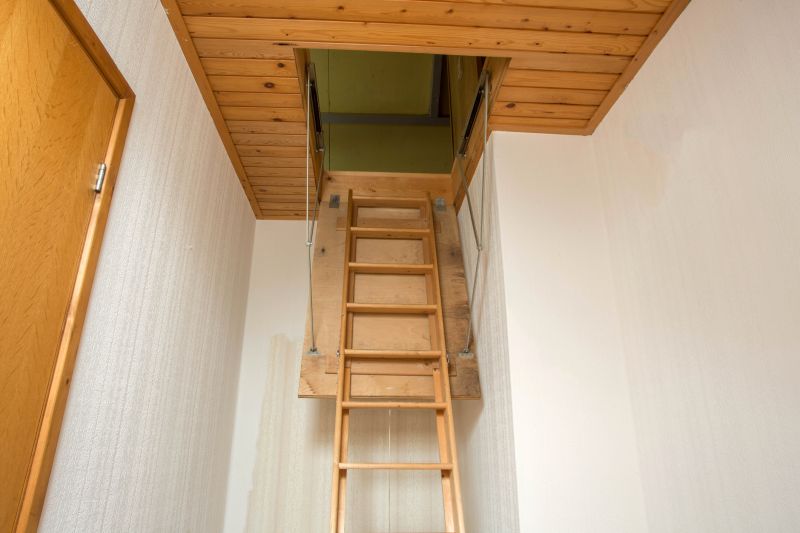 Attic ladder repairs are a common necessity for homeowners and maintenance professionals aiming to ensure safety and functionality in attic access points. Over time, components such as hinges, pulleys, support beams, and locking mechanisms may experience wear, corrosion, or damage, leading to difficulties in operation or safety concerns. Addressing these issues typically involves replacing or repairing specific parts of the ladder system, which can vary widely depending on the type and design of the ladder. Having the right repair products on hand can facilitate a smoother repair process, reducing the need for costly professional interventions.
Top Overall Option
Heavy-Duty Attic Ladder Repair Kit
This comprehensive repair kit includes a variety of hinges, pulleys, support brackets, and locking mechanisms designed to fit most attic ladders. Made from durable, corrosion-resistant materials, it offers a versatile solution for multiple repair needs. Its detailed instructions and compatibility with common ladder models make it suitable for DIY enthusiasts and professionals alike.
Types of Products For Attic Ladder Repairs
Hinges and Pivot Points
Replacement hinges designed to restore smooth operation and stability to attic ladders.
Pulley Systems
Upgraded pulleys that facilitate easier opening and closing of the ladder.
Support Brackets
Reinforcement brackets to enhance the structural integrity of the ladder frame.
Locking Mechanisms
Secure locking devices to ensure the ladder stays safely in place when in use.
Support Straps and Cables
Durable straps and cables that assist in smooth operation and weight distribution.
Ladder Insulation Kits
Insulation components to improve energy efficiency and safety.
Replacement Handles
Ergonomic handles for easier grip and operation.
Surface Repair Patches
Patches for repairing surface damage or cracks on ladder components.
Fastening and Mounting Hardware
Screws, bolts, and anchors for secure installation and repairs.
Lubricants and Cleaners
Specialized lubricants to ensure smooth operation and prevent rust.
Protective Coatings
Paints and coatings to prevent corrosion and extend component lifespan.
Adjustable Support Legs
Legs that can be adjusted for uneven flooring or custom height requirements.
Safety Rails and Guards
Additional safety features to prevent falls during use.
Replacement Cables
Strong, durable cables for supporting the ladder's weight and movement.
Attic Ladder Stabilizers
Devices that improve stability and reduce sway during use.
Weatherproofing Components
Seals and weatherproofing parts to protect against moisture and rust.
Popular Choices
Essential for restoring smooth pivoting and stability.
Facilitate easier ladder operation with upgraded pulley systems.
Improve the structural support of attic ladders.
Ensure safety with reliable locking mechanisms.
Help in maintaining proper tension and operation.
Repair minor surface damage for safety and aesthetics.
All-in-one hardware for secure mounting and repairs.
Reduce friction and prevent rust on moving components.
Extend the life of metal parts with rust-resistant coatings.
Adapt to uneven floors for enhanced stability.
Add extra safety during ladder use.
Improve grip and ease of operation.
Protect against moisture and environmental damage.
Minimize sway and increase stability.
Ensure smooth operation and support.
Address surface cracks for safety.
Secure components firmly during repairs.
Many repair projects begin with assessing the damage or wear, then selecting compatible replacement parts. For example, damaged hinges might be replaced with adjustable or heavy-duty hinges designed for attic ladders. Pulley systems can be upgraded to improve ease of use, while support brackets and reinforcement kits can enhance stability. It is essential to choose products that match the specifications of your existing ladder to ensure proper fit and function. Proper maintenance and timely repairs can extend the lifespan of your attic ladder and maintain safety standards.
When selecting repair products, it is also important to consider the material quality and compatibility with your specific ladder type. Metal components should resist corrosion, especially in humid environments, while plastic parts should be durable enough to withstand frequent use. Some repair kits come with comprehensive instructions, making DIY repairs more manageable even for those with limited experience. Always prioritize products that are designed for attic ladders to ensure a secure and reliable repair. Regular inspections and maintenance can help identify issues early, preventing more extensive damage or safety hazards down the line.
Investing in quality repair components and understanding the key considerations can make attic ladder repairs more straightforward and effective. Whether you are fixing a minor issue or undertaking a more extensive repair, choosing the right products is essential for safety, durability, and ease of use. Properly maintained attic ladders contribute to safer attic access and can prevent accidents or damage in the future.
Key Buying Considerations
- Compatibility with your existing attic ladder model and size.
- Material quality, especially corrosion resistance for metal parts.
- Ease of installation and whether detailed instructions are included.
- Durability and load capacity of replacement parts.
- Type of damage or wear—identify whether hinges, pulleys, or support structures need repair.
- Availability of a comprehensive repair kit versus individual components.
- Safety features such as locking mechanisms and stabilizers.
- Ease of maintenance and future repair potential.
- Environmental conditions of the installation area, such as humidity or temperature extremes.
- Customer reviews and ratings for product reliability.
- Warranty or satisfaction guarantees offered by the manufacturer.
- Price point relative to the quality and number of components included.
- Brand reputation and compatibility with different ladder brands.
- Tools required for installation or repair and whether they are included.
- Potential need for professional assistance if DIY skills are limited.